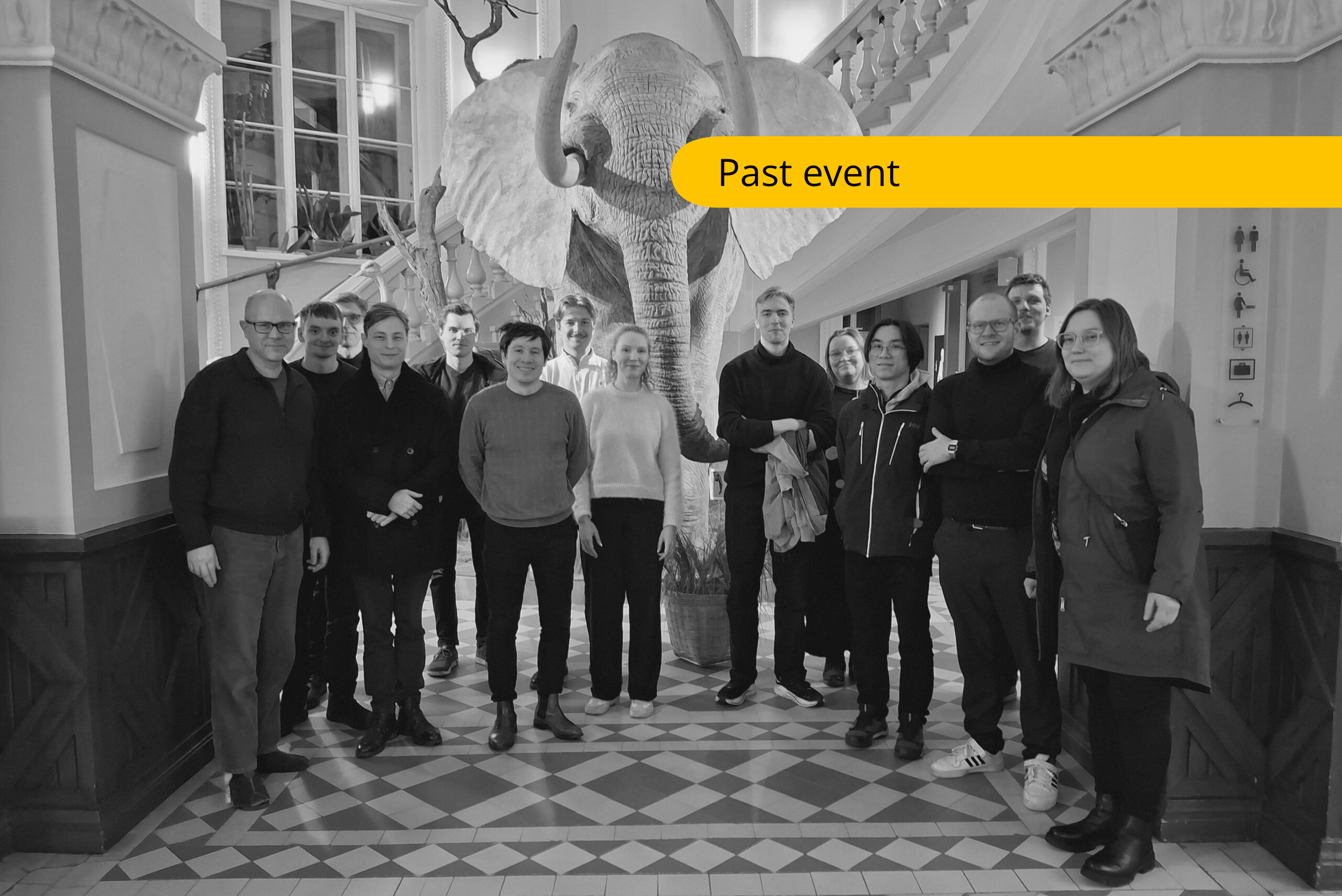
PhD Public Sector Economics 2025 by Helsinki GSE & FIT
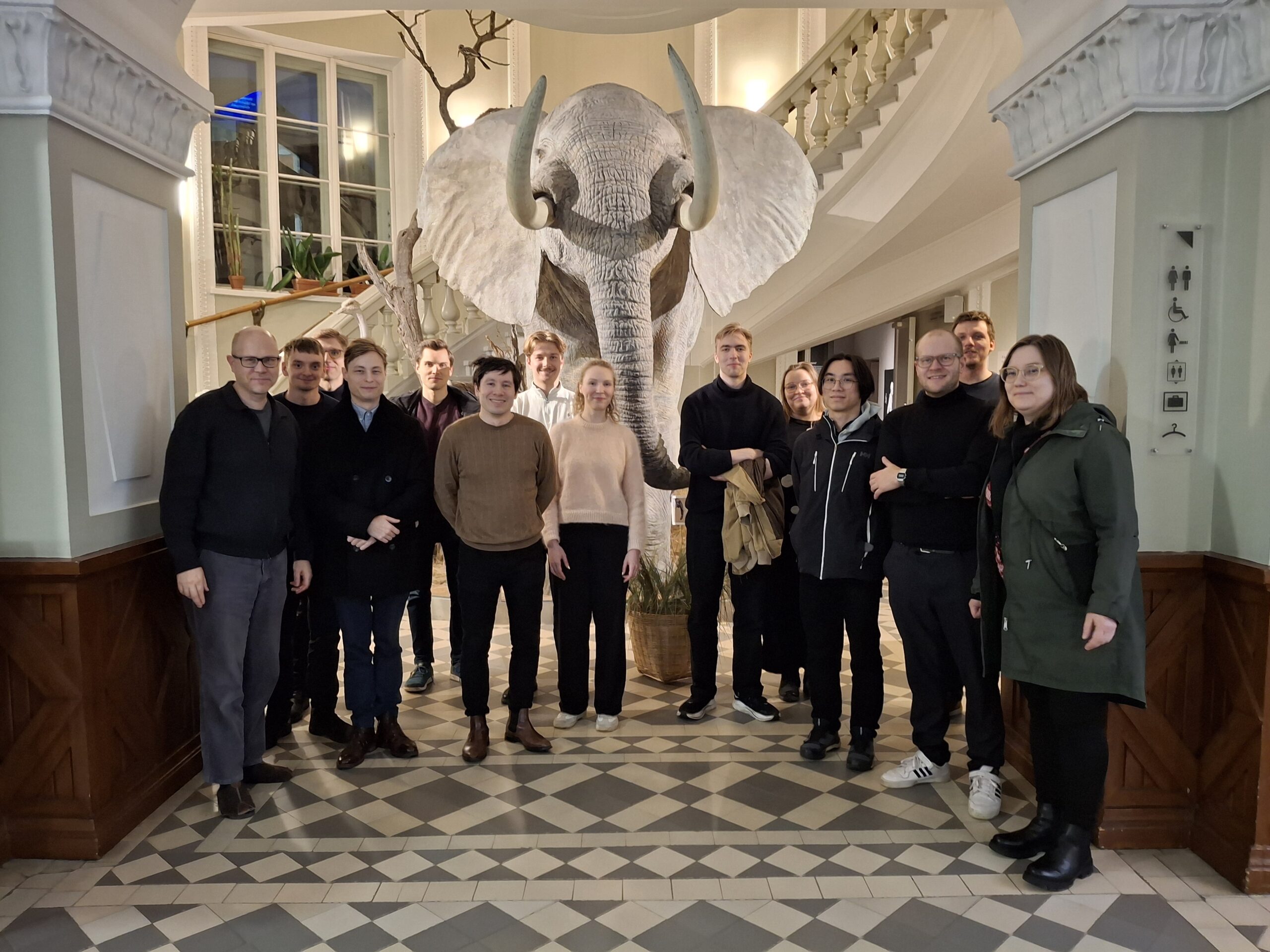
A new public economics PhD course was implemented in the autumn 2025 with 18 doctoral students from Finland, Norway, Sweden and Denmark.
The course consisted of weekly hybrid lectures, and in-person sessions in October in Tampere and in December in Helsinki.
The goal is to arrange a similar course every two years.
A PhD-level course on public economics, covering both taxation and government expenditure programmes was organized jointly by the University of Helsinki and Tampere University, in collaboration with Uppsala University, and co-funded by Nordic Tax Research Council.
The course (5 ECTS credits) was delivered in autumn 2025 in a hybrid format, combining online (Zoom) and on-site participation. Weekly hybrid lectures were held every Thursday between September and November 2025.
In addition to the regular lecture series, the course included two intensive in-person meetings: in Tampere 21–23 October, after which participants had the opportunity to attend the FIT Workshop as observers. The Helsinki get-together wrapping up the course was held on 15–16 December 2025.


The lecture programme covered core and advanced topics in public economics. The early sessions focused on public finance and the role of government, followed by a comprehensive treatment of taxation, including optimal tax theory, capital and indirect taxation, and labour supply responses to taxation and transfers. The Tampere get-together combined lectures, student presentations, and optional participation in the FIT Workshop, addressing topics such as taxable income responses, labour taxation in a globalized economy, capital taxation, international taxation, and tax competition.
Subsequent weekly lectures addressed social insurance and inequality, including social insurance theory, pensions, unemployment insurance, wealth and inheritance taxation, and marginal value of public funds. The Helsinki get-together concluded the course with student presentations, and lectures on disability insurance, health insurance, and income inequality, including measurement and empirical trends.
Overall, the course provided advanced doctoral-level training in public economics, combining theoretical foundations, empirical research, and scholarly interaction in a Nordic collaborative setting. The course was offered to participants free of charge.
— We, course organizers, enjoyed the engagement with a very active and talented group of students, says prof. Jukka Pirttilä, the main organiser of the course. Going forward, the goal is to arrange a similar course every two years, he concludes.
Additional information
Prof. Jukka Pirttilä, jukka.pirttila@helsinki.fi
University of Helsinki, Finnish Centre of Excellence in Tax Systems Research FIT
Prof. Jarkko Harju, jarkko.t.harju@tuni.fi
Tampere University, Finnish Centre of Excellence in Tax Systems Research FIT


