A new study of Italy’s 2010 reform shows that forcing small municipalities to share core administrative functions raised operating costs, weakened local services and reduced residential property values by about 5% and commercial values by about 13%. The findings suggest that top-down cooperation mandates can create coordination costs that outweigh the expected economies of scale.
A large-scale analysis of 110 articles from leading economics and political science journals shows that approximately 85% of published findings are computationally reproducible, while 72% of statistically significant estimates are robust to alternative specifications. These findings indicate strong, though not perfect, reliability in empirical research, with high-quality journals’ mandatory data-sharing policies facilitating verification.
Martín Brun from Tampere University is one of co-authors in the project.
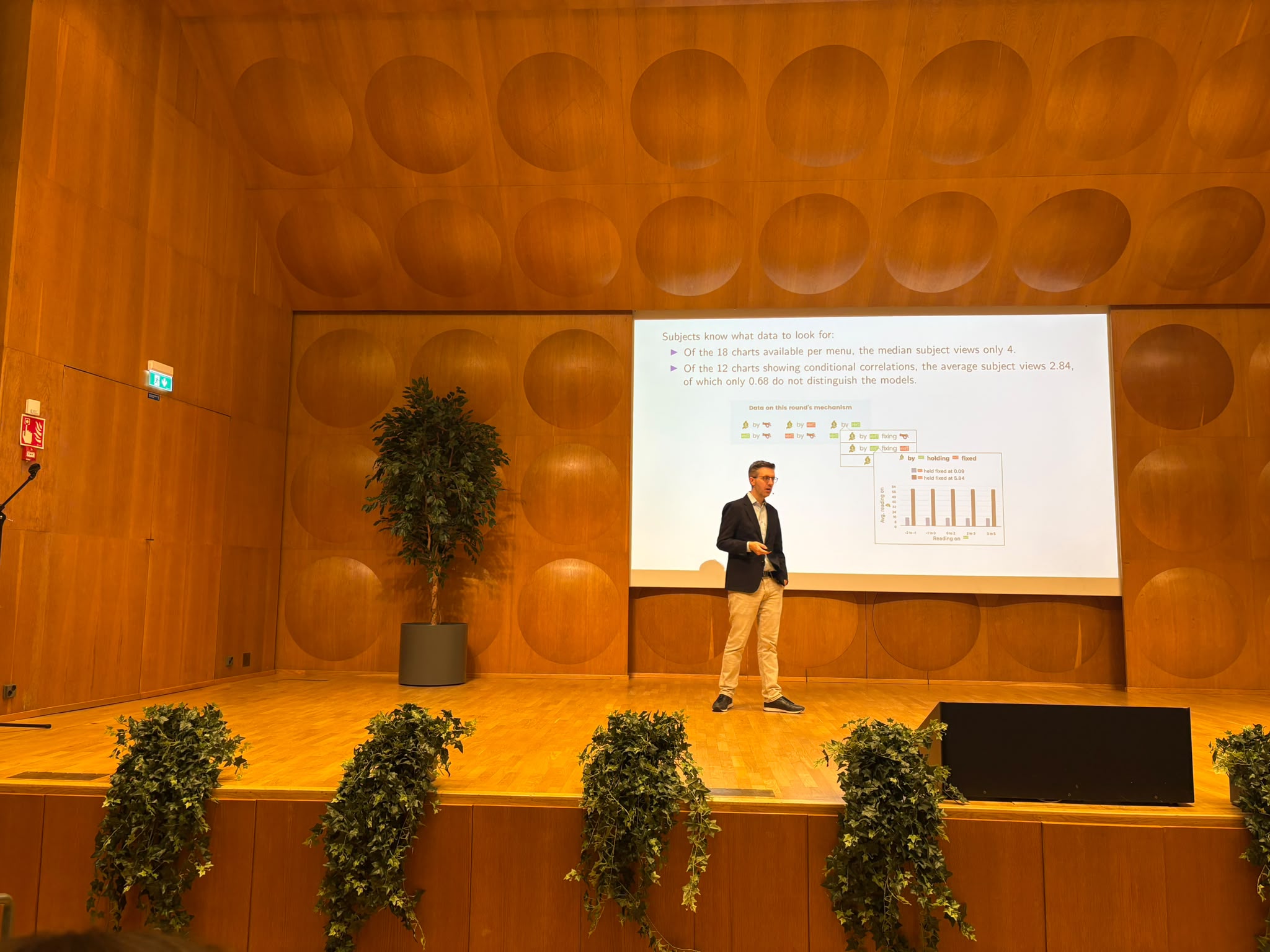
Behavioural and experimental economists from across the Nordics and beyond met in Helsinki for the 18th NCBEE in September 2026. FIT researchers took part both as organizers and presenters, bringing insights from behavioural approaches to tax and benefit systems.
Welcome to the fourth annual Nordic Public Policy Symposium organised by FIT in Helsinki on 10 -11 December! We are pleased and happy to have Johannes Spinnewijn from the London School of Economics as the keynote speaker of the event.
Submit your paper/paper proposal by October 11, 2026.
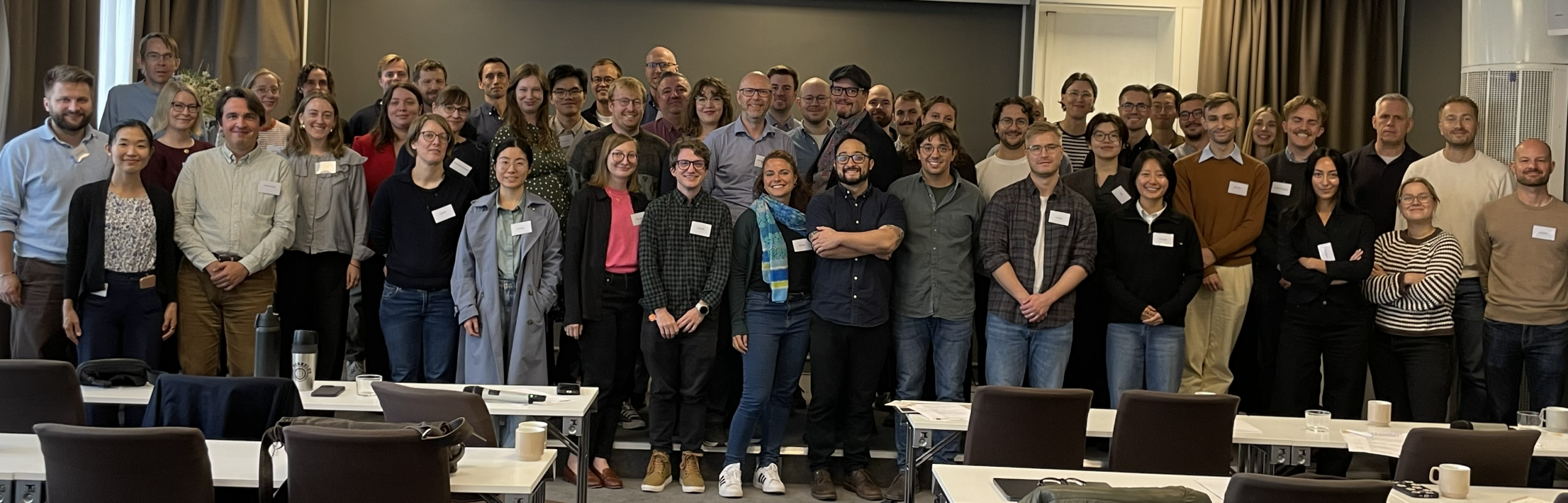
The fourth WEI conference in labor economics took place in central Uppsala on 4-5 September 2026, bringing together researchers to present and discuss some of the most interesting research in labor economics. The two-day program featured a wide range of topics, including innovation and AI, the role of gender in the labor market, factors affecting wages, and many other thought-provoking areas.
Earnings inequality and earnings dynamics in Finland can now be compared with those in 25 other countries. Researchers from VATT Institute for Economic Research and the Finnish Centre of Excellence in Tax Systems Research (FIT) produced the Finnish statistics for the international Global Repository of Income Dynamics (GRID) database.
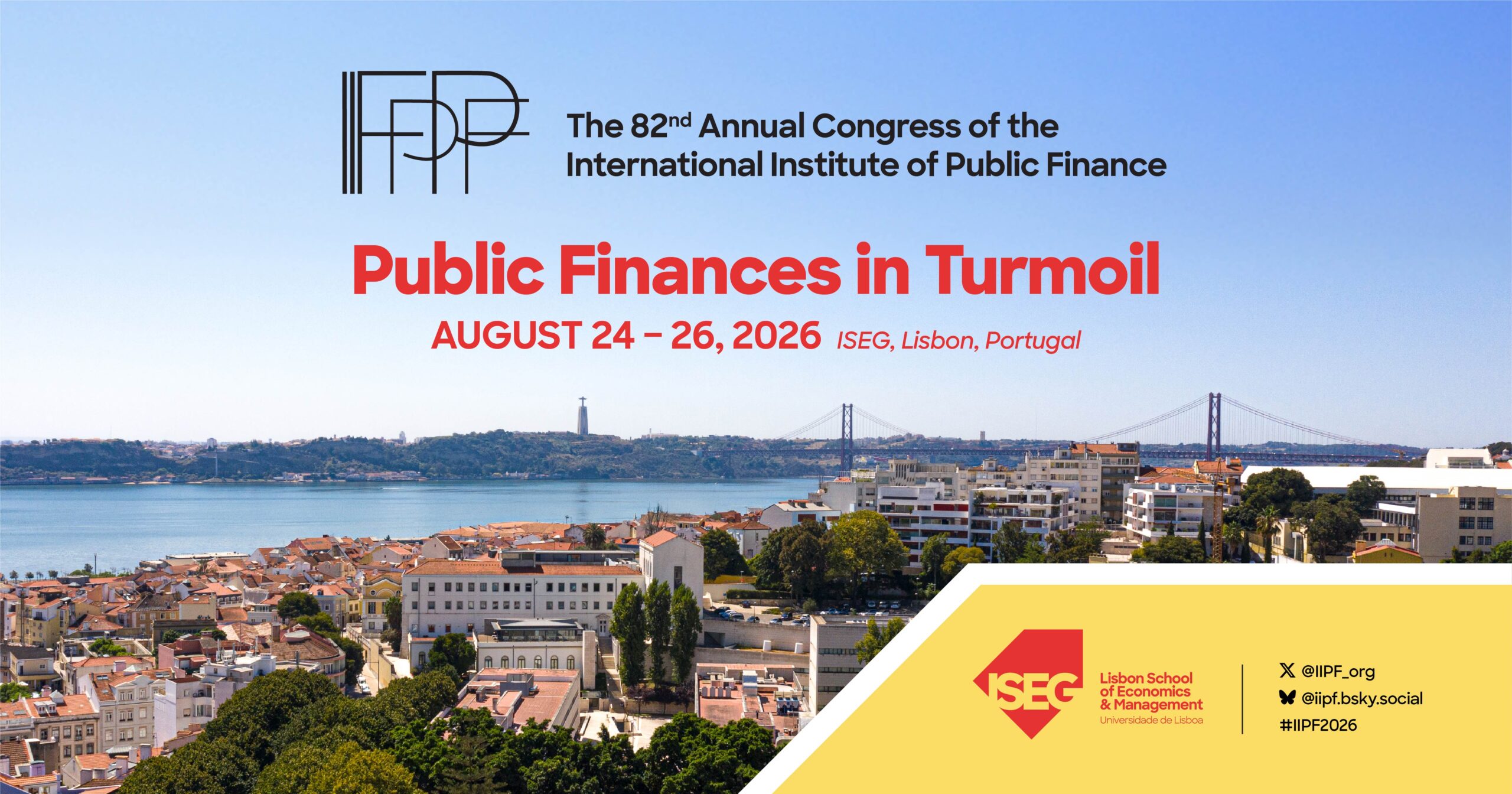
The Finnish Centre of Excellence in Tax Systems Research (FIT) has a strong presence in the 82nd Annual Congress of the International Institute of Public Finance (IIPF) in Lisbon on 24-26 August 2026. FIT researchers have contributed to 28 high-quality research papers presented at the conference.
Postdoctoral Researcher Luisa Wallossek (University of Oslo) spent two weeks on a research visit at the Finnish Centre of Excellence in Tax Systems Research in Tampere in May 2026. In this blogpost Luisa reflects on her stay in the Sauna Capital of the World, and shares key takeaways from her stay.
The fourth Workshop in Labor Economics: Wages, Employment and Inequality (WEI IV) was organized in Uppsala, Sweden, on September 4 – 5, 2026. The workshop had an outstanding lineup of speakers, including Simon Jäger and Anna Salomons as keynote speakers, and Lena Hensvik and Alexander Willén as invited speakers.
In the call for papers, 123 research papers were received – thank you for your excellent submissions!
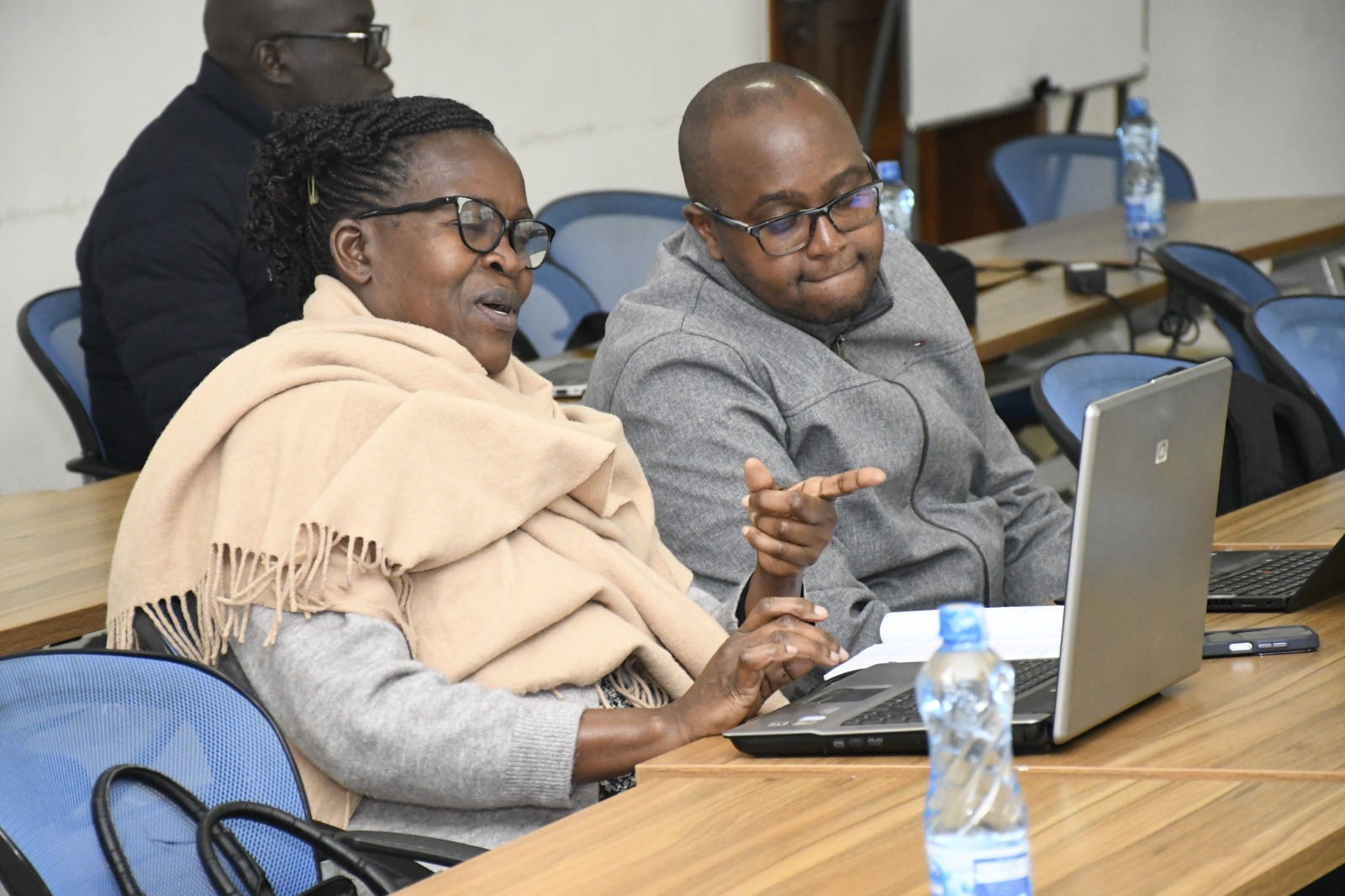
An African-Finnish partnership has launched a new public economics curriculum tailored to African universities. The curriculum offers students and lecturers high-quality teaching materials grounded in African policy realities, institutions, and empirical evidence.
Tampere University is inviting applications for the position of Professor or Associate Professor (tenure-track) in Economics.
The university hosts the Finnish Centre of Excellence in Tax Systems Research (FIT), awarded and funded by the Research Council of Finland. FIT studies the effects and design of multiple aspects of public policy. The research program is very broad, covering a multitude of topics related to public finance, labor, health, and environmental economics, and industrial organization.
Arttu Kauhanen defends the doctoral dissertation entitled “The Lifecycle of Inequality: Childhood Neighborhoods, Redistribution, and Lifetime Pensions in Finland and Europe” at, University of Helsinki, on 28 May 2026.
His doctoral dissertation investigates the mechanics of inequality throughout the human lifecycle. It starts from the formation of opportunity in childhood, continues through the mitigation of inequality during working age, and ends with the realization of different life expectancies and pension wealth in retirement.