Wages, Employment and Inequality: WEI IV Brings Labor Economists to Uppsala
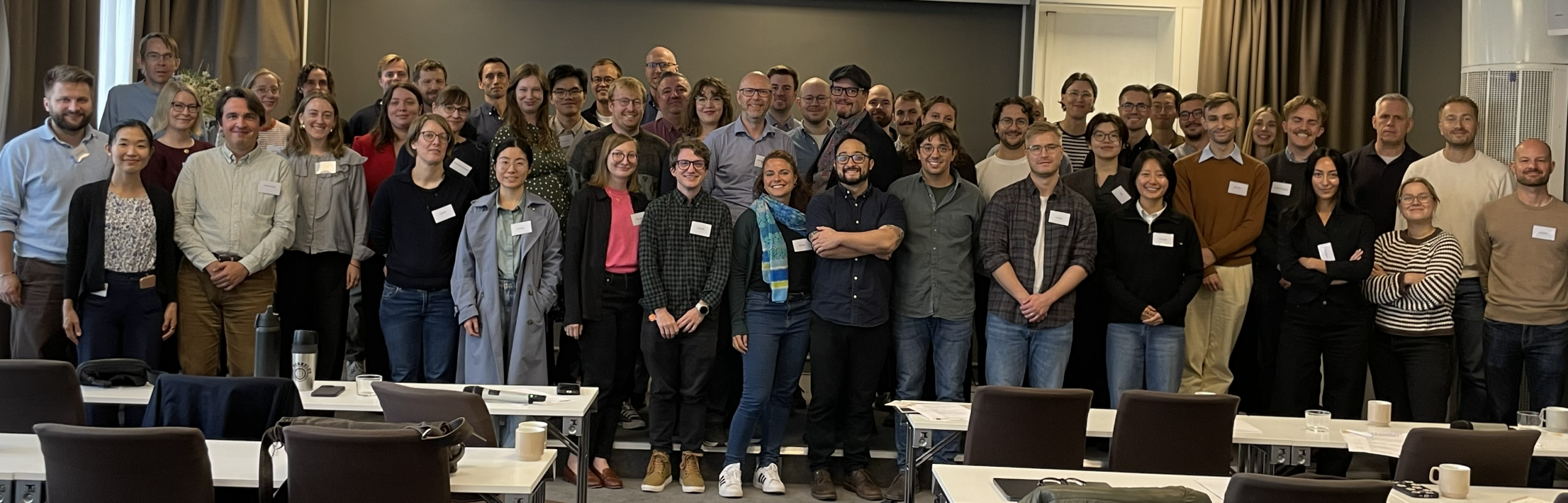
The fourth WEI conference in labor economics took place in central Uppsala on 4-5 September 2026, bringing together researchers to present and discuss some of the most interesting research in labor economics. The two-day program featured a wide range of topics, including innovation and AI, the role of gender in the labor market, factors affecting wages, and many other thought-provoking areas.
The event, the fourth Workshop in Labor Economics: Wages, Employment and Inequality (WEI IV), was held in Uppsala at the Clarion Hotel Gillet on September 4–5, 2026. Since the series began in 2017, the workshops have focused on core labor economics themes — wages, employment, and inequality — and have grown into a well-established fixture in the field, regularly drawing far more submissions than there is room to accommodate. This year was no exception: the call for papers attracted 124 submissions, a testament to the community’s continued enthusiasm for the series. While previous editions were held in Helsinki, WEI IV marked a move to Uppsala, the other academic home of the organizing institutions.
— WEI has become an institution that promotes research on core labor economic topics, such as collective bargaining, minimum wages, inequality, and structural changes in the labor markets, says Tuomas Kosonen. It has given a platform for many researchers including young researchers to present their work to an interested audience, he ccontinues. This has become an important opportunity for likeminded researchers to interact.
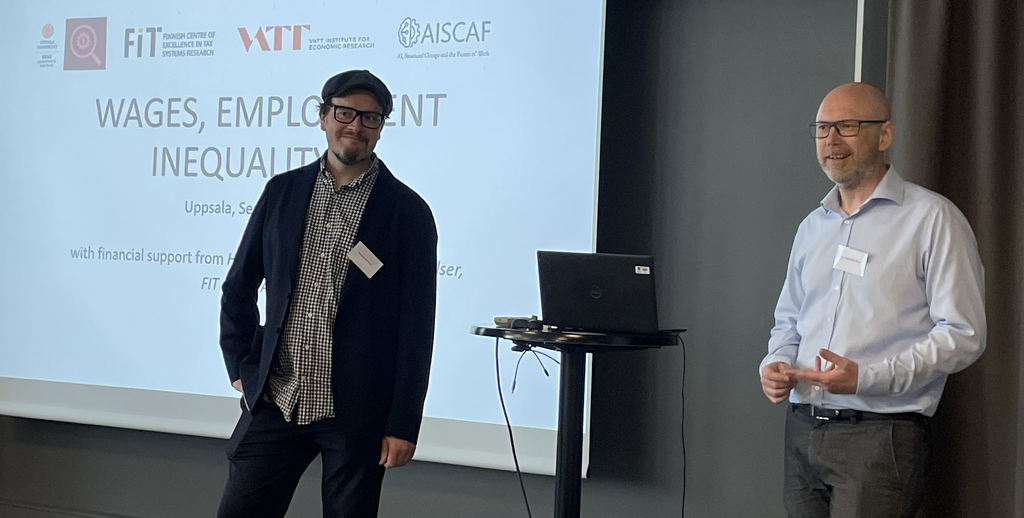
The atmosphere was vibrant, with participants eagerly engaging in discussions and asking questions after each presentation, with conversations continuing during the “fika” breaks over the coffee. The 7-minute-long flash talks offered a fast-paced stream of research, providing a diverse look at topics. In contrast, the keynote speakers provided more detailed insights into their current research. Both short and long formats were equally appreciated and contributed to an engaging and varied conference.
The program opened Friday morning with a keynote from Anna Salomons on what distinguishes genuinely new work from simply more work, followed by a full day of flash talks and longer sessions covering topics from minimum wages and collective bargaining to job search among migrants and the effects of labor demand shocks. Friday evening’s invited dinner at Villa Anna gave participants a chance to continue the day’s conversations in a more relaxed setting.
Saturday continued in similar spirit, with sessions on unemployment insurance, career trajectories, and the graying of job ladders, before a second keynote from Simon Jäger on job ads as signals of priced amenities and worker beliefs. The invited speaker Alexander Willén also presented his research rounding up a program that balanced junior and senior voices alike.
— This year we had several flash talk sessions and that turned out really well: the presenters managed to deliver the main aspects of their papers to the audience in a very efficient way, says Oskar Nordström Skans. — The flash talks bring real energy to the program and for the next WEI V in Helsinki in 2-3 September 2027 we will most likely continue with this tradition, adds Tuomas Kosonen.
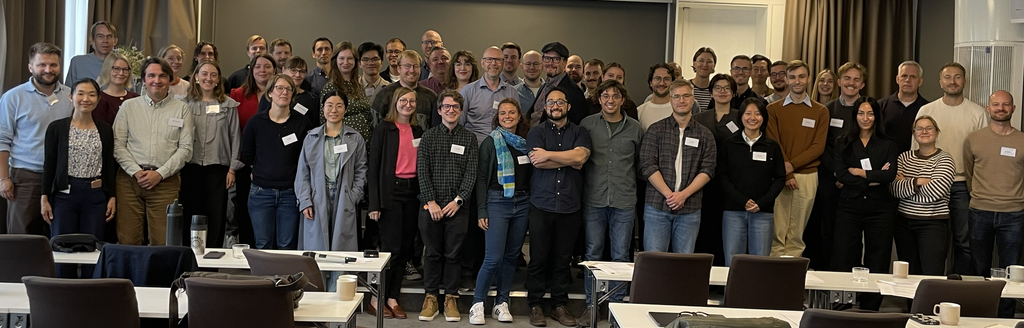
WEI IV was organized by Tuomas Kosonen (VATT, FIT) and Oskar Nordström Skans (Uppsala University), under the joint auspices of the Uppsala Center for Labor Studies and the WASP-HS cluster AISCAF at Uppsala University, the Finnish Centre of Excellence in Tax Systems Research FIT, and VATT Institute for Economic Research. The organisers are extremely grateful for support from Handelsbankens Forskningsstiftelser without which the conference would not have been possible.
The full programme of the event can be found on our site here.
Photos: Saga Friberg and Katrin Kamph, Uppsala University